Diplomacy
Arunachal’s Restless Frontier: Why the India-China Border Is Heating Up Again
By Sameer Hussain |
From a line drawn in 1914 to a standoff at Taksing in 2026, the eastern…




Guest 01 : King Alizon Camral (Mindanao, Philippine)
For this session, we’re kicking off our discussion by connecting directly with our guest speaker. We’re thrilled that our first topic takes us to an exotic region of the Philippines specifically, Mindanao, the country’s second-largest island after Luzon.
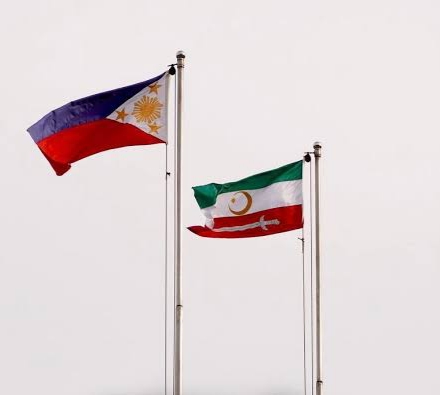
What’s Going On in Mindanao?
The Mindanao region stands out for its unique blend of the Muslim Moro majority, the indigenous Lumad peoples, and colonial influences, which shape its complex socio-political dynamics. The Philippines’ second-largest island features a diverse landscape, including volcanic mountains such as Mount Apo the country’s highest peak at 2,954 meters which showcases the beauty of an active volcano, shrouded in mist and dense green forests covering over 60% of the northern region, as well as large lakes like Lanao that support fisheries and hydroelectric power generation. The climate varies from cool in the highlands of Bukidnon to humid tropical along the coast, with the lush and biologically rich Kitanglad and Malindang National Parks, home to the rare Philippine eagle.
The population is dominated by Moro ethnic groups such as the Maranao, Maguindanao, and Tausug most of whom are Muslim along with non-Muslim Lumad communities and Christian migrants, creating the highest level of ethnic diversity in the Philippines. Their culture is rich in art forms such as the Darangen epic (UNESCO Intangible Cultural Heritage), okir woodcarving, Singkil dance, and the aesthetically striking Torogan architecture. The people are friendly, welcoming to Muslim tourists, and preserve traditions from the highlands to the coast. Politically, Mindanao became the first Muslim autonomous region in the Philippines through the Bangsamoro Autonomous Region, which is currently (2026) in a transition period until 2025 as a test of national federalism amid issues of land redistribution and autonomy.
Mindanao’s uniqueness lies in its role as a cultural crossroads where Islamic, indigenous, and Christian traditions converge in Southeast Asia, having transformed from its past reputation as a conflict zone into a destination featuring hidden natural wonders such as Dila Falls and the rehabilitated Lake Leonard. This diversity, combined with resources such as the Agus River and its wildlife, makes it a living laboratory for the study of anthropology, geopolitics, and conflict resolution distinct from other major Philippine islands as a dynamic ecological and human mosaic.
For this first installment, we interviewed Mr. King Alizon Camral from Sultan Kudarat State University. He is an Assistant Professor of Political Science in Tacurong City and a licensed professional teacher specializing in Social Studies. This interview explores the interplay between politics, the environment, and peace in Mindanao,from the Anthropocene crisis to a message for the younger generation.
Mr. Camral views the Anthropocene not merely as an environmental crisis, but as a profound political crisis. Power is interconnected, with those holding political and economic power determining whether resources are protected for sustainability or exploited for short-term gain that often to the detriment of vulnerable communities. His personal experiences in Mindanao have only reinforced this view for him, nature is both a source of life and a shared responsibility. In an interview, he stated
“I view nature as both a source of life & a shared responsibility. Growing up & working in Mindanao, I have seen how communities depend on land, rivers & forests but also how conflict & development can threaten them which made me more convinced of the need to balance the human needs & environmental protection”
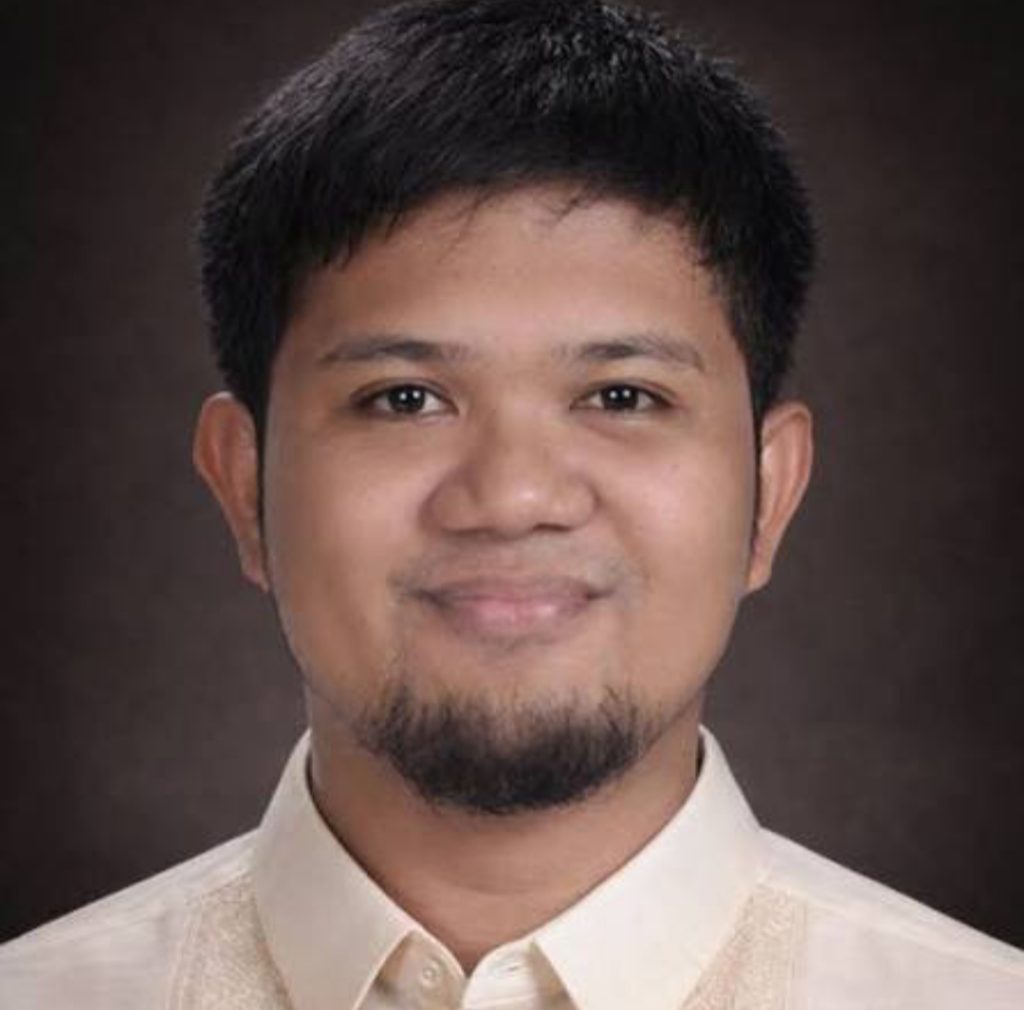
Furthermore, Mr. Camral’s experience in Mindanao places the environment at the heart of human relations, politics, and peace.
In zones of conflict and inequality, environmental issues are not separate from “governance” and “peace-building,” but rather part of the daily struggle for “survival” and dignity. Mindanao’s ecological and cultural diversity represented by Moro and Indigenous communities and Islamic traditions has created a unique context that shapes both “political authority” and “environmental responsibility.”
For him, power and politics must entail a moral obligation, whereby leaders must protect the environment through policies of “sustainability” and “fairness,” rather than merely pursuing “growth.”
Then, we asked: “How can we address this crisis systemically?”
Mr. Camral’s answer was unequivocal: Environmental crises stem from political choices and unequal power relations, where decisions regarding land, resource extraction, and development always reveal “who benefits and who bears the costs.”
He offered several concrete solutions, including:
Furthermore, according to Mr. Camral, universities play a crucial role in shaping an ecologically conscious generation that understands “ecology = core governance,” rather than merely an add-on to the curriculum.
However, while solutions exist, the challenges of implementation are real. Environmental policies often fail not due to a lack of discourse, but because of weak implementation, competing interests, and a lack of political accountability. Ecological concepts serve as a tool to critique development models that prioritize profit over sustainability and responsibility.
Finally, we asked “What are the concrete steps moving forward?”
According to Mr. Camral, the youth of Mindanao are not bystanders, but architects of the future. He concluded the interview with a powerful message:
“The youth should understand that their choices and voices matter. Protecting the environment is not separate from politics and they have a role in shaping a future that is both just & sustainable.”
Posted in Education, Politics and Society

From a line drawn in 1914 to a standoff at Taksing in 2026, the eastern…